⚠️ WHAT IF YOUR BLOOD PRESSURE IS TOO HIGH WITHOUT YOU EVEN KNOWING IT?
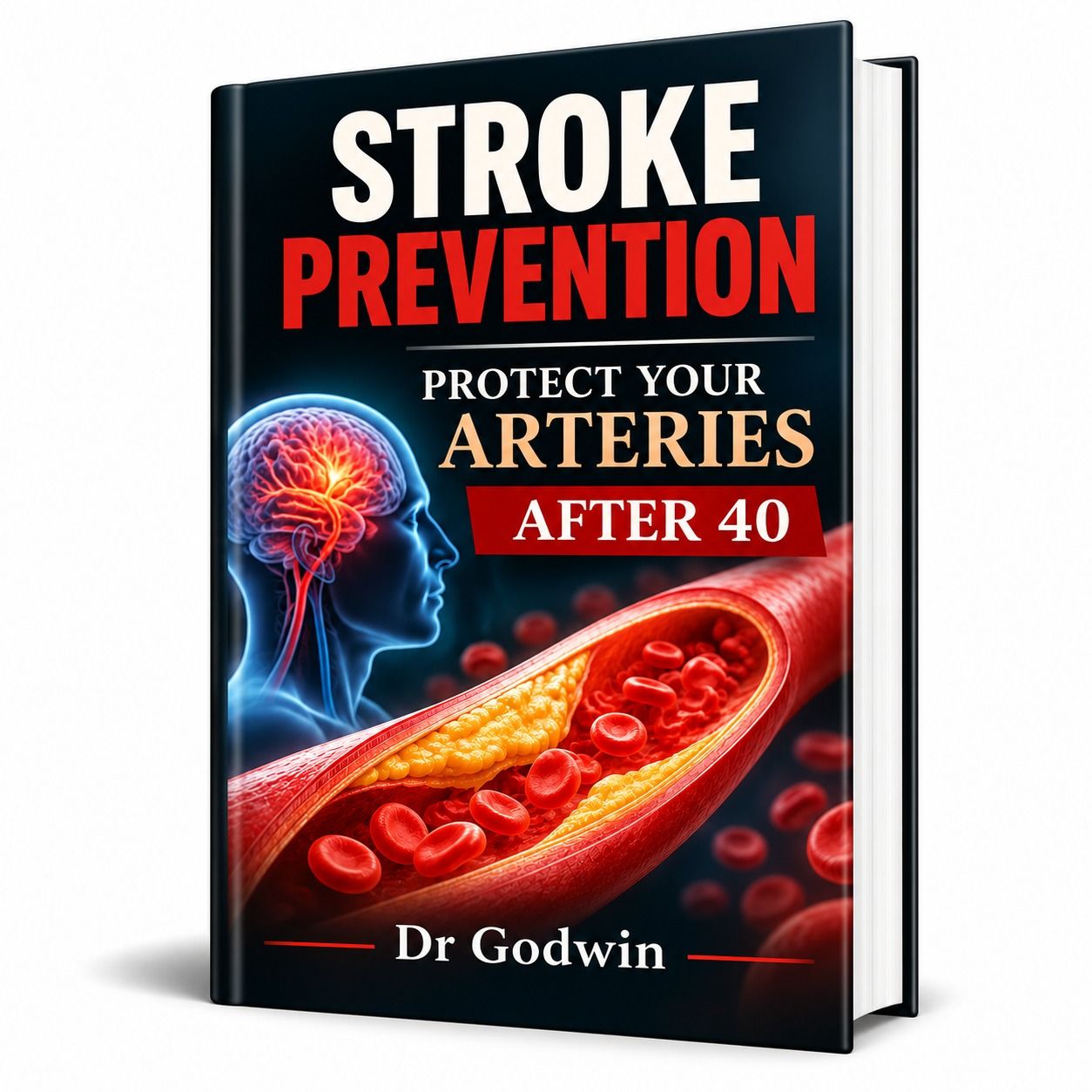
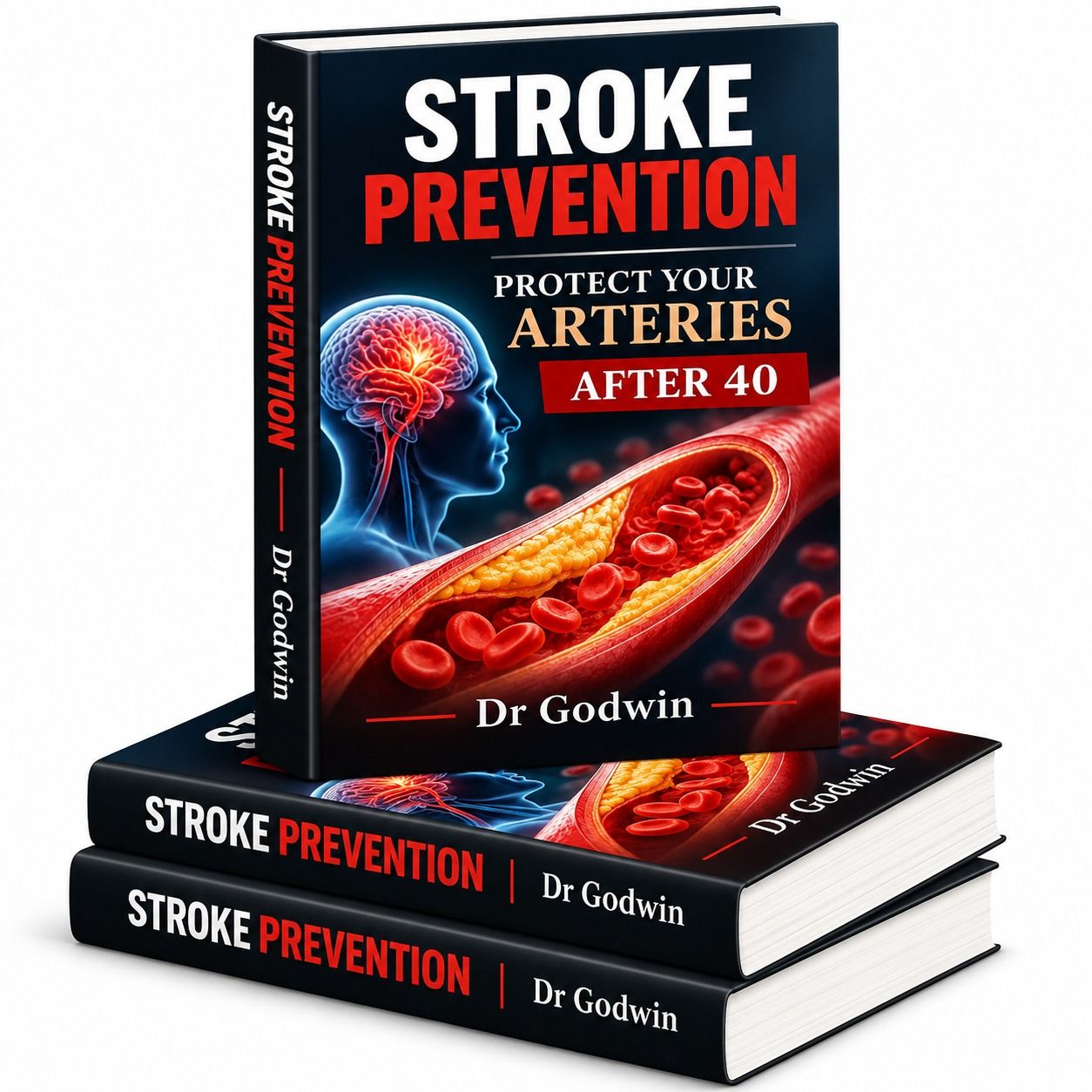
🛡️ STROKE PREVENTION: PROTECT YOUR ARTERIES AFTER 40
Understand the silent risks, improve your daily habits, and learn how to monitor your blood pressure.
A practical health guide for adults over 40, featuring a 30-day action plan and complementary resources to support your cardiovascular health.
🔥 “JUST YESTERDAY, HE SEEMED PERFECTLY HEALTHY…”
He went to work as usual.
He shared meals with his family.
He laughed with his children.
He never complained about feeling unwell.
Then, one day, a stroke changed his life and the lives of everyone around him.
How can someone who appears perfectly healthy suddenly suffer a stroke?
Because certain risk factors, especially high blood pressure, can develop silently for years without causing obvious symptoms.
A stroke can happen suddenly. However, some of the conditions that increase its likelihood can be identified and managed long before an emergency occurs.
⚠️ THE REAL DANGER IS NOT ALWAYS WHAT YOU FEEL. SOMETIMES, IT'S WHAT YOU NEVER MEASURE.
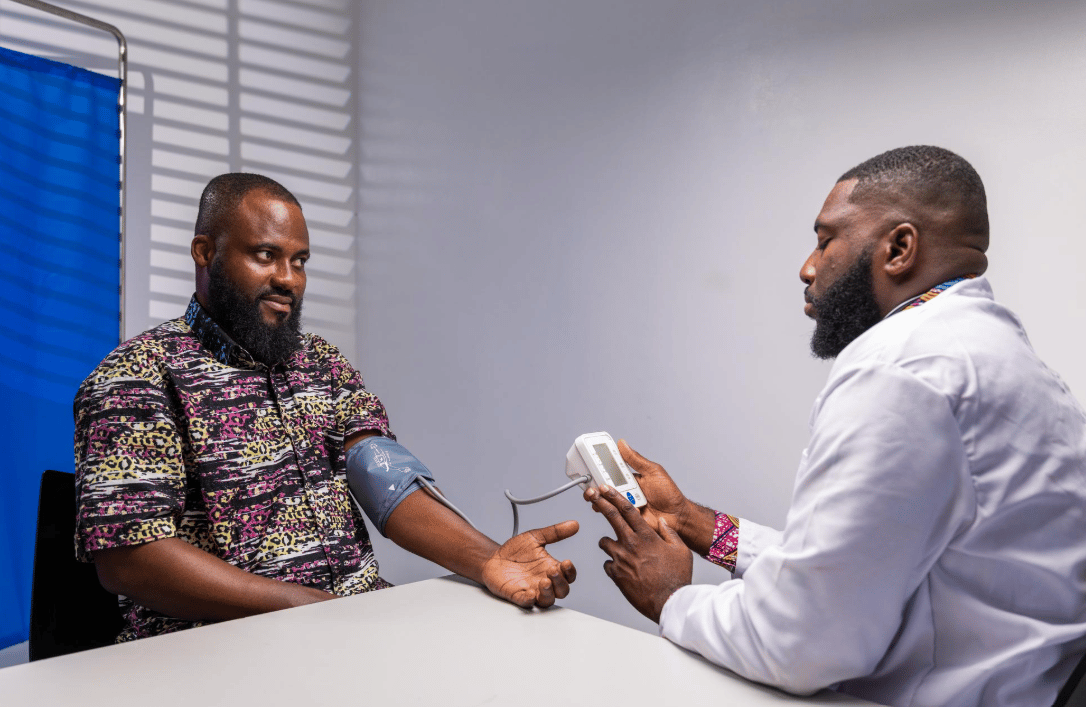
🔎 DO ANY OF THESE DAILY HABITS SOUND FAMILIAR?
You are over 40, and…
✅ You regularly eat meals prepared with large amounts of salt or seasoning cubes.
✅ You spend several hours sitting at work, in traffic, or behind a counter.
✅ You often sleep too little because of work and family responsibilities.
✅ You frequently drink sweetened juices, soft drinks, or sugary beverages.
✅ You eat outside your home without knowing how much salt is used in your meals.
✅ You rarely engage in regular physical activity.
✅ You do not know your current blood pressure reading.
If several of these situations describe your daily routine, it may be time to pay closer attention to your cardiovascular health.
These habits do not mean you will necessarily experience a stroke. However, they may contribute to health conditions that increase your risk.
Your blood pressure can be elevated even when you feel completely fine.
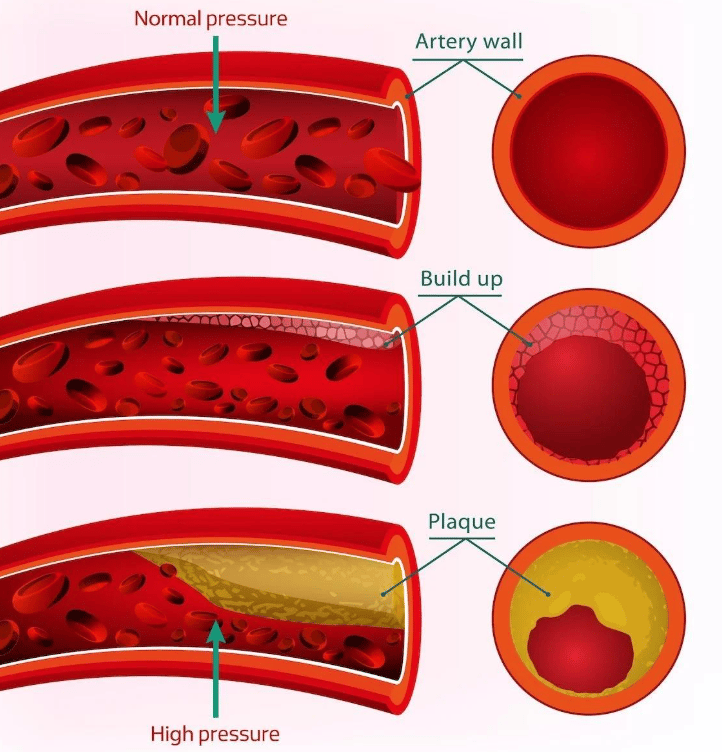
🫀 WHAT IS REALLY HAPPENING INSIDE YOUR ARTERIES?
Your arteries carry blood throughout your body, supplying vital organs such as your brain and heart.
Their proper functioning depends on several mechanisms, including the ability of blood vessels to relax and contract.
One important mechanism involves a molecule called nitric oxide, which helps blood vessels relax and supports healthy circulation.
When blood pressure remains consistently elevated, it can gradually damage blood vessels and increase the risk of serious cardiovascular complications.
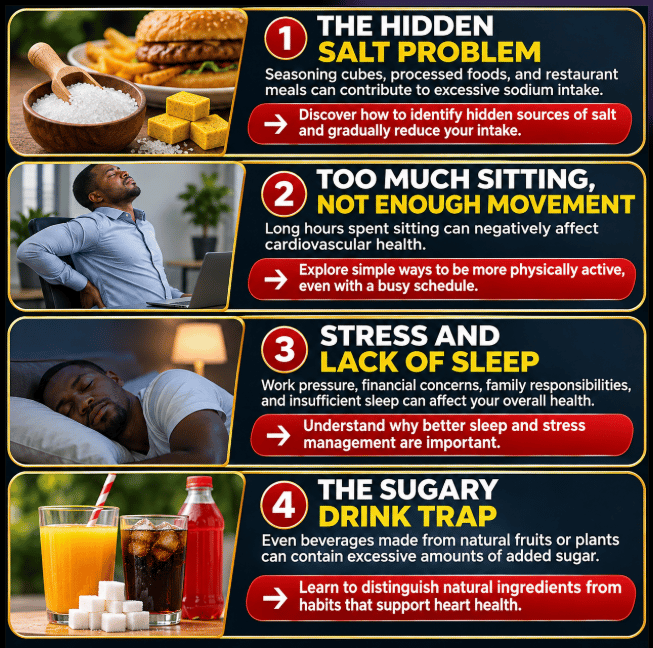
📖 WHAT YOU WILL DISCOVER INSIDE THE GUIDE
🛡️ PILLAR 1 — UNDERSTAND YOUR ARTERIES' SIGNALS
✊ PILLAR 2 — EXPLORE THE 8-MINUTE HAND EXERCISE
📊 PILLAR 3 — BUILD YOUR PERSONAL BLOOD PRESSURE DASHBOARD
📅 YOUR PRACTICAL 30-DAY ACTION PLAN
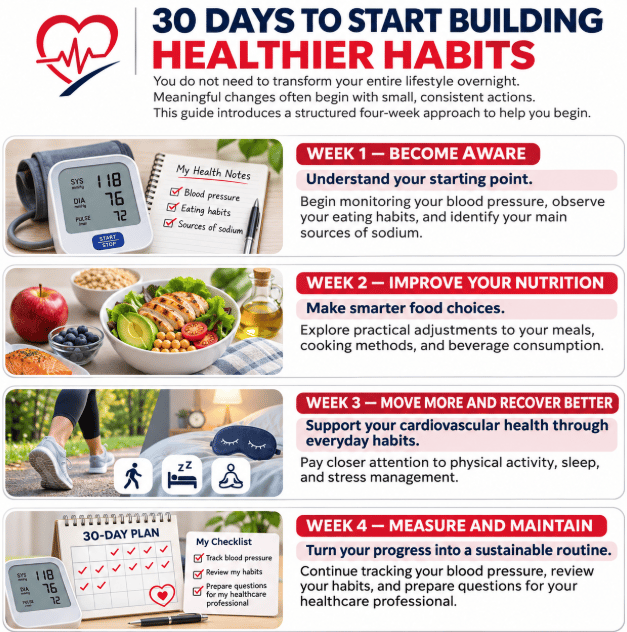
🎯 THE OBJECTIVE
30 days to begin developing a more organized prevention routine — not a promise to cure hypertension or eliminate stroke risk.
🎁 3 EXCLUSIVE BONUSES TO SUPPORT YOUR JOURNEY
🎯 WHO IS THIS GUIDE FOR?
This guide may be especially useful if:
✅ You are over 40 and want to understand cardiovascular risk factors.
✅ You have a family history of high blood pressure or stroke.
✅ You want to learn how to measure and monitor your blood pressure.
✅ You want to improve your diet without abandoning traditional African foods.
✅ You already take prescribed medication and want additional educational information.
✅ You spend much of your day sitting and want to develop healthier habits.
✅ You want a structured approach to cardiovascular prevention.
Whether you are just beginning to think about your cardiovascular health or already managing risk factors, this guide can help you become better informed.

🎁 3 EXCLUSIVE BONUSES TO TAKE YOUR STROKE PREVENTION JOURNEY FURTHER!
🎁 BONUS 1
🛡️ THE STROKE PREVENTION TOOLKIT
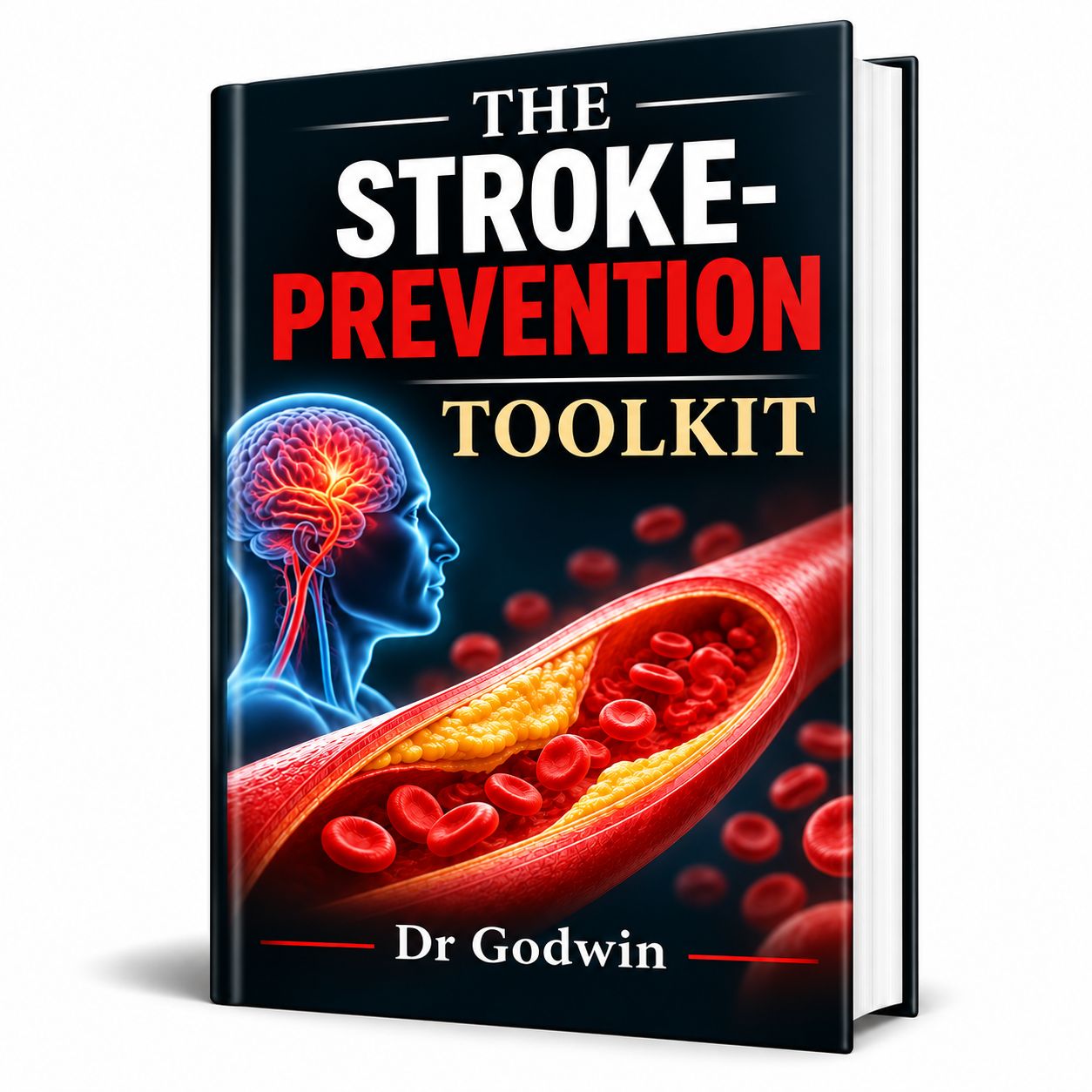
📖 WHAT YOU WILL EXPLORE INSIDE THIS BONUS
✅ The Major Risk Factors for Stroke: Better understand the lifestyle habits and medical conditions that can increase your risk of cardiovascular complications.
✅ The Importance of Blood Pressure Monitoring: Discover why checking your blood pressure regularly matters, even when you feel perfectly healthy.
✅ Everyday Habits That Support Healthy Arteries: Explore the importance of balanced nutrition, regular physical activity, adequate sleep, and avoiding tobacco.
✅ Practical Prevention Strategies: Identify realistic lifestyle adjustments that you can gradually incorporate into your daily routine.
✅ Taking Charge of Your Health: Learn why regular medical checkups matter and how to prepare more effectively for conversations with your healthcare professional.
🔥 A valuable resource to help turn your interest in stroke prevention into a more organized and consistent approach to cardiovascular wellness!
The perfect companion to your main guide, helping you develop greater awareness and healthier cardiovascular habits.
🎁 BONUS 2
🥗 28-DAY MEAL PLAN & 30 AFRICAN RECIPES
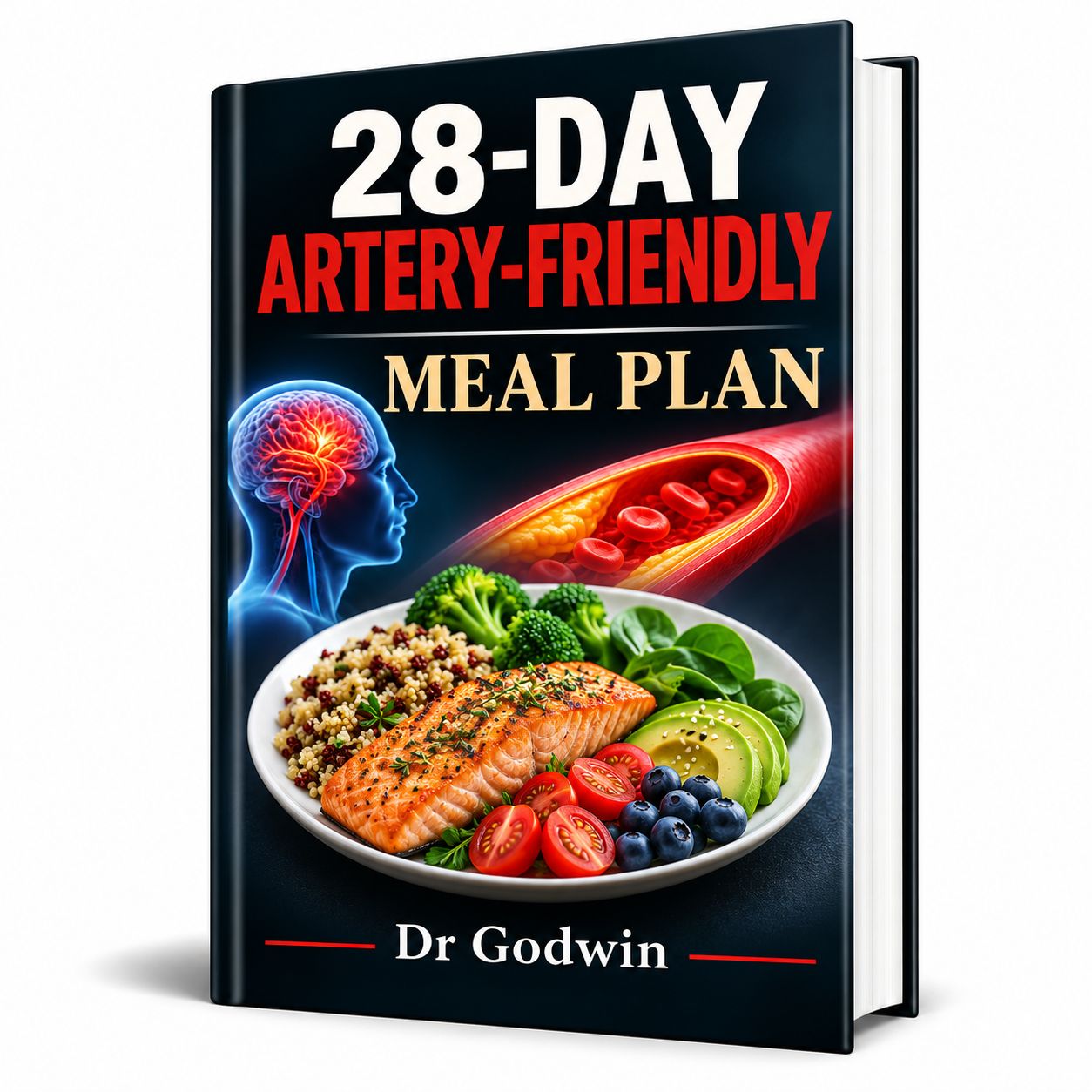
📖 WHAT YOU WILL DISCOVER INSIDE THIS BONUS
✅ A Structured 28-Day Meal Plan: Follow an organized approach to planning your meals and reducing last-minute food decisions.
✅ 30 African Recipes: Explore meal ideas inspired by traditional African cuisine while paying greater attention to nutritional balance.
✅ Smarter Salt Management: Learn to be more mindful of seasoning cubes, bouillon, processed ingredients, and other sources of sodium.
✅ More Balanced Meals: Discover the importance of vegetables, fiber-rich foods, and appropriate protein sources in everyday nutrition.
✅ Simplified Meal Planning: Get practical meal ideas to make organizing breakfast, lunch, and dinner easier.
✅ A Realistic Approach to Healthy Eating: Make gradual improvements without completely changing your lifestyle overnight.
🔥 Because cardiovascular prevention also begins in your kitchen, one meal at a time!
An ideal companion to your main guide, combining cardiovascular health awareness with practical African-inspired meal ideas.
🎁 BONUS 3
THE FAMILY GUIDE AFTER A STROKE
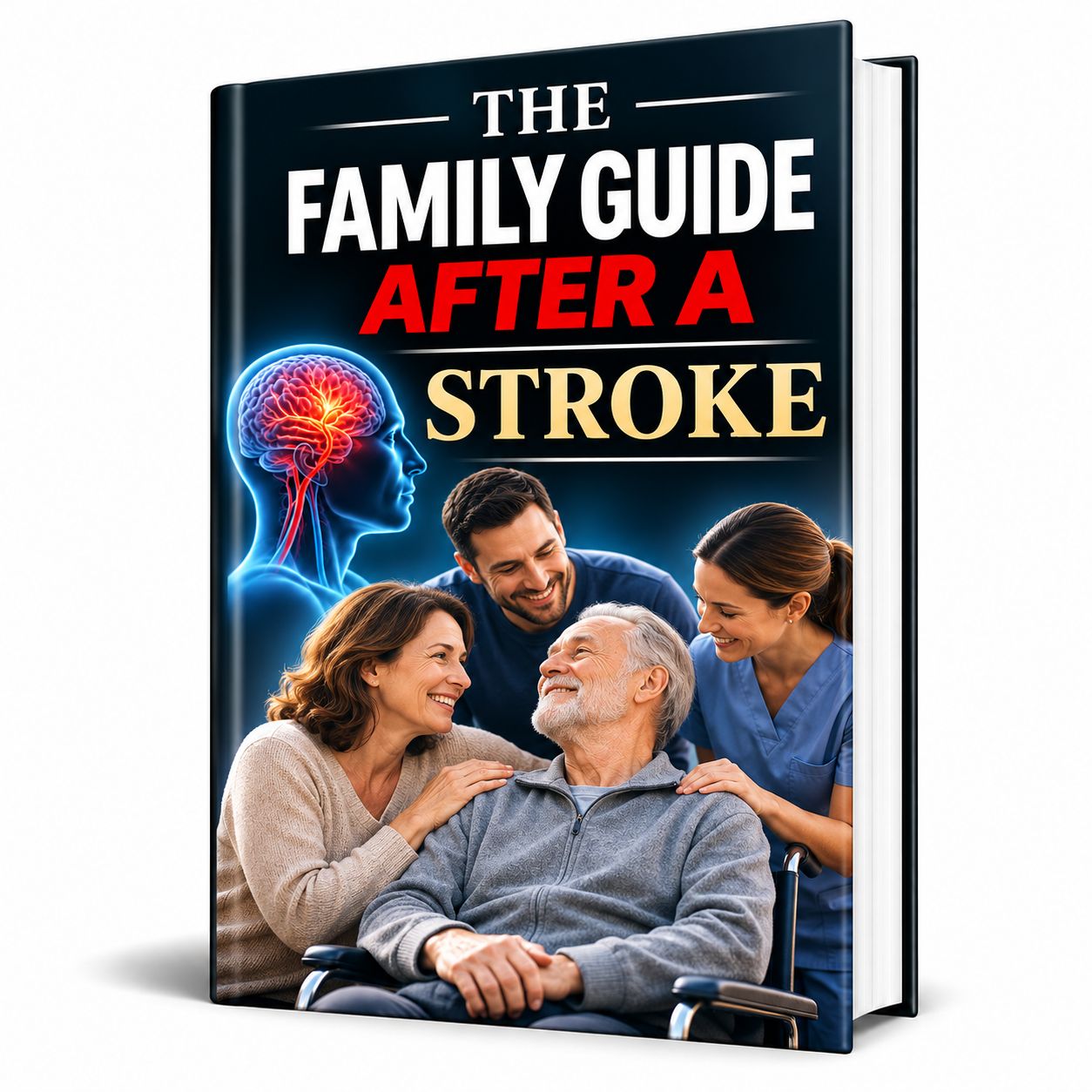
📖 WHAT YOU WILL EXPLORE INSIDE THIS BONUS
✅ Understanding Life After a Stroke: Discover the physical, emotional, and cognitive challenges that stroke survivors may experience during their recovery.
✅ Supporting a Loved One During Recovery: Learn how family members can provide practical assistance, emotional support, and encouragement throughout the recovery journey.
✅ Creating a Safe and Supportive Home Environment: Explore practical adjustments that can improve safety, comfort, mobility, and independence in everyday life.
✅ Recognizing Warning Signs of Another Stroke: Learn to identify important warning signs and understand when to seek immediate emergency medical assistance.
✅ Building Healthier Habits After a Stroke: Discover the importance of balanced nutrition, blood pressure monitoring, appropriate physical activity, and regular medical follow-ups.
✅ Managing the Emotional Challenges of Recovery: Understand the importance of patience, communication, mutual understanding, and emotional well-being for both stroke survivors and their caregivers.
🔥 A valuable resource to help families navigate life after a stroke with greater confidence, understanding, and preparedness!
The perfect companion to your main guide, helping you better support your loved ones throughout their recovery journey.
👉 YES, I WANT MY GUIDE AND 2 EXCLUSIVE BONUSES!
These resources are intended for educational purposes only. They do not replace professional medical advice, diagnosis, or prescribed treatment. If sudden stroke symptoms occur, seek emergency medical assistance immediately.
If you or someone nearby experiences sudden facial drooping, weakness on one side of the body, difficulty speaking, or other possible stroke symptoms, seek emergency medical assistance immediately.
💬 TESTIMONIALS
Rachad K. ⭐⭐⭐⭐⭐
I never really paid attention to my blood pressure. I figured if I felt fine, I was fine. This guide woke me up. In Libreville, I started measuring it every morning. Turned out it was high. I saw a doctor and now I'm being monitored. This book probably saved me from a bigger problem.
Prisca M. ⭐⭐⭐⭐⭐
I'm over 40 and I have a family history of stroke. I was worried but didn't know what to do. This guide gave me a clear plan. In Douala, I followed the 30-day program. I cut back on bouillon cubes and started walking daily. I feel like I'm finally taking control of my health.
Hervé T. ⭐⭐⭐⭐⭐
What I liked most is that it doesn't tell you to stop eating African food. It shows you how to adapt your recipes. In Cotonou, I learned to use more herbs and less salt. The "Special Cook" sheet is brilliant. I shared it with my wife. The whole family eats better now.
Nadine O. ⭐⭐⭐⭐⭐
I was scared of having a stroke like my father. This guide reassured me while giving me concrete actions. In Dakar, I bought a monitor and track my readings in the logbook. I found out my pressure was borderline. I discussed it with my doctor. I feel more responsible for my health.
Gaston B. ⭐⭐⭐⭐⭐
I'm at an age where I need to be careful. This guide is well done. It explains nitric oxide and arteries without being too technical. In Lomé, I tried the handgrip technique with a rolled towel. It's simple and I can do it at home. I recommend it to any man over 40.
Ariane F. ⭐⭐⭐⭐⭐
I'm a 45-year-old woman and I thought strokes mostly affected men. This guide proved me wrong. In Abidjan, I became aware of my habits: lack of sleep, stress, sugary drinks. I started making changes. The 30-day plan keeps me motivated.
Léon S. ⭐⭐⭐⭐⭐
I had no idea hypertension could be silent. This guide is a wake-up call. In Brazzaville, I measured my blood pressure for the first time in years. It was high. I booked a doctor's appointment. This guide might have saved my life. Thank you.
Bertille D. ⭐⭐⭐⭐⭐
I gave this guide to my husband. He never wanted to see a doctor. In Kinshasa, he read it and started following the plan. He cut down on salt and walks 30 minutes a day. His blood pressure dropped. He's more aware of his health now. A great investment.
Marcel N. ⭐⭐⭐⭐⭐
I'm a health educator and I recommend this guide. It's clear, practical, and adapted to our African reality. In Ouagadougou, I use it to raise awareness among men over 40. The blood pressure logbook is a fantastic tool to get patients involved in their own follow-up. Well done.
Esther R. ⭐⭐⭐⭐⭐
I used to get frequent headaches and didn't know it was linked to my blood pressure. This guide opened my eyes. In Bangui, I started measuring regularly. I saw a doctor and I'm now being treated. The 30-day plan helped me change my diet without feeling deprived. Thank you for this guide.